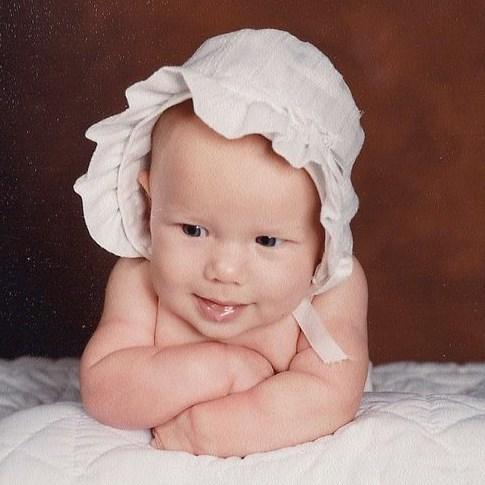
Hi! I'm Carissa!
Young Life:
I've been using signs, in one capacity or another, since I was nine months old. My mother, a hearing speech pathologist, started teaching me basic and rudimentary signs so that I could better express myself. As I got older, I enjoyed being able to talk with my Deaf friends at church, most of whom were homeschooled or mainstreamed, but some of whom attended the California School for the Deaf in Riverside. After high school, aside from being able to help out in a pinch at work when my boss couldn't understand some Deaf clients, I never gave the fact that I had some familiarity with SEE (Signing Essential English) much thought, even taking Spanish as my foreign language in college.
Kids:
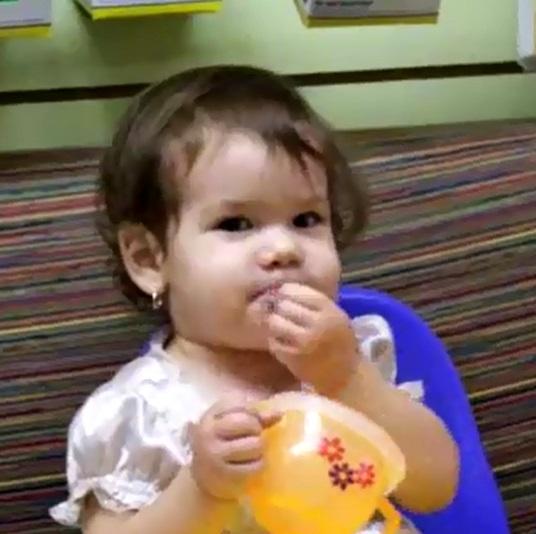
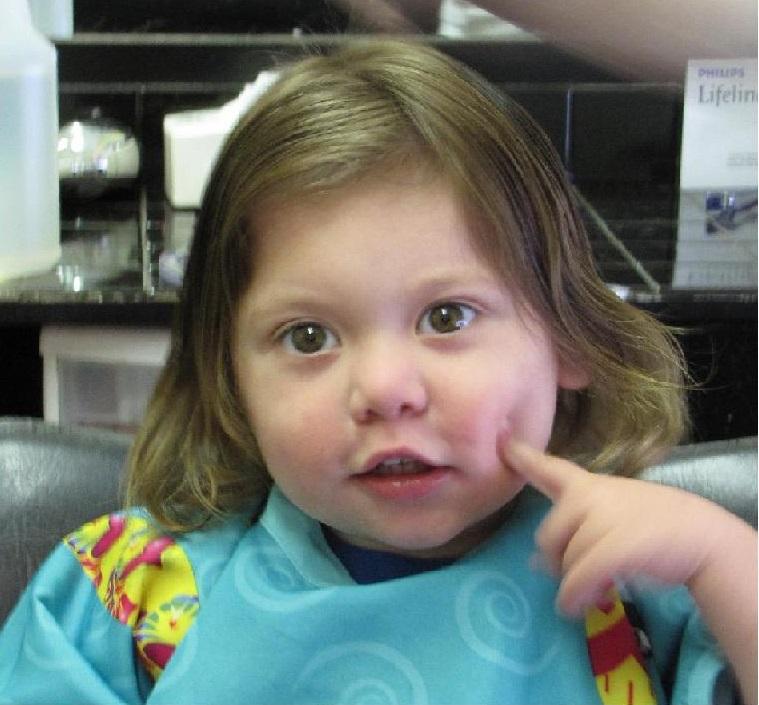
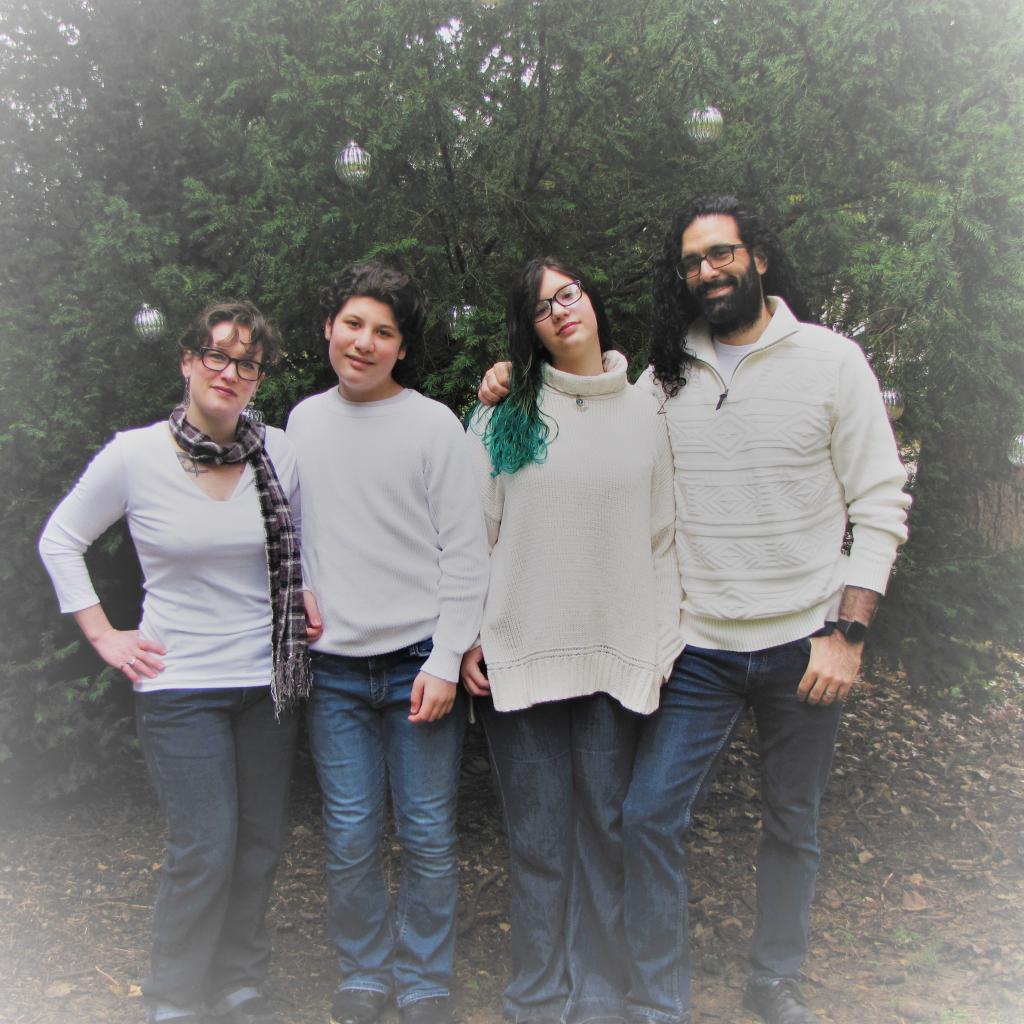
When my children were born, I taught them how to sign things like TOILET and FOOD, MORE and WATER, and with my eldest (Rory) it was simply to overcome a slight speech delay. When Rory started talking there was the assumption that she'd drop the signs. We used all the signs I had, a couple of old sign text-books, and a couple of Deaf classmates as our main resources.
With Julian, though, it was obvious that signing was going to become a much more important part of their lives, as Julian was born with cloverleaf-multisuture-craniosynostosis, a condition that required two neurosigeries before he was ten months old, a third when he was three, and fourth when he was five. He also had an emergency cardiac surgery when he was six. He didn't start speaking verbally until sometime between his third and fourth surgeries, and spoken English didn't become his co-primary language until he was five, and his language delays are now minimal because he had full access to a complete language, ASL, from six months, due to a Deaf nurse's advice that I learn to sign ASL and use it with my son. Julian's medical adventures are chronicled in depth on his website here, if you're feeling adventurous.
ASL and Interpreter Education:
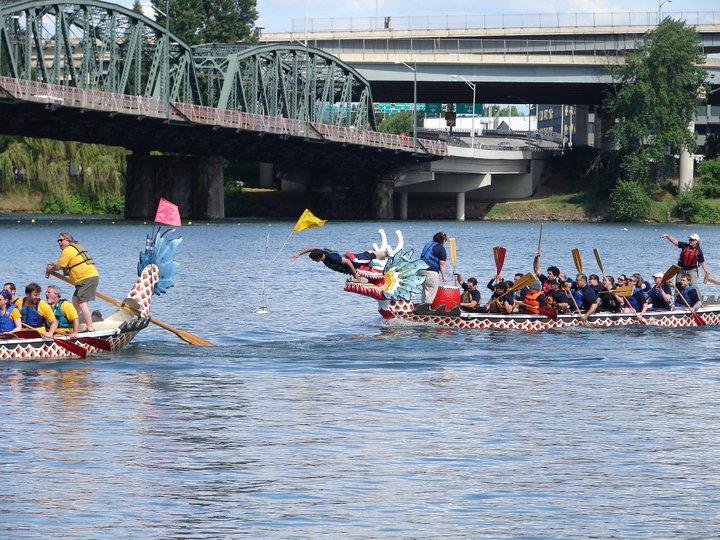
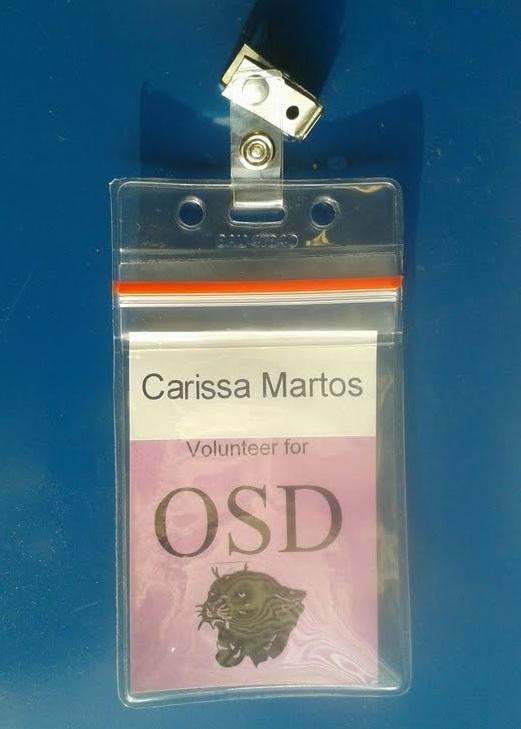
I put my Master's in Ed on hold until recently, and threw myself into signing full time, taking online courses and watching Signing Time with Julian and Rory, going to a Deaf church, attending Hands and Voices events, and taking classes at Portland Community College as fast as I could. I went to Silent Weekends and workshops and joined a Deaf Dragonboat team. Somewhere along the line, a few Deaf friends and teachers suggested that I might want to take a shot at becoming an interpreter, and I felt torn between that and becoming a teacher for the Deaf, I applied to both the Interpreting program at PCC and the SDEP program at PSU, and was accepted to both. I chose to become an interpreter. I started at PCC's ITP and spent much of my free time volunteering down at OSD (Oregon School for the Deaf) in Salem, working in the dorms and with the Adult Preparation Program.
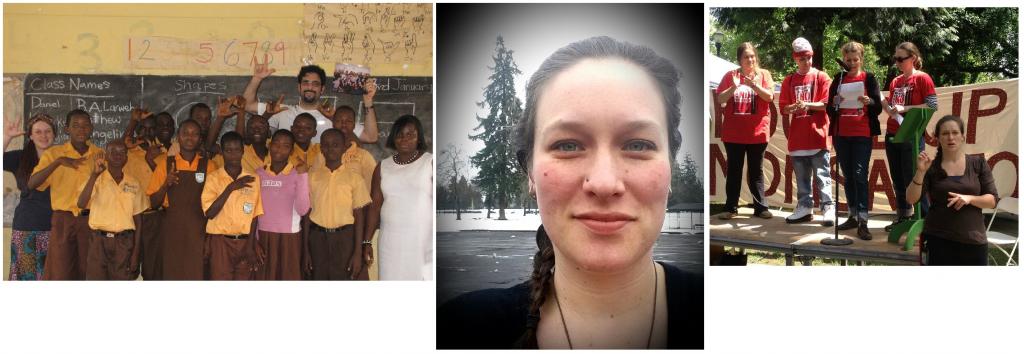
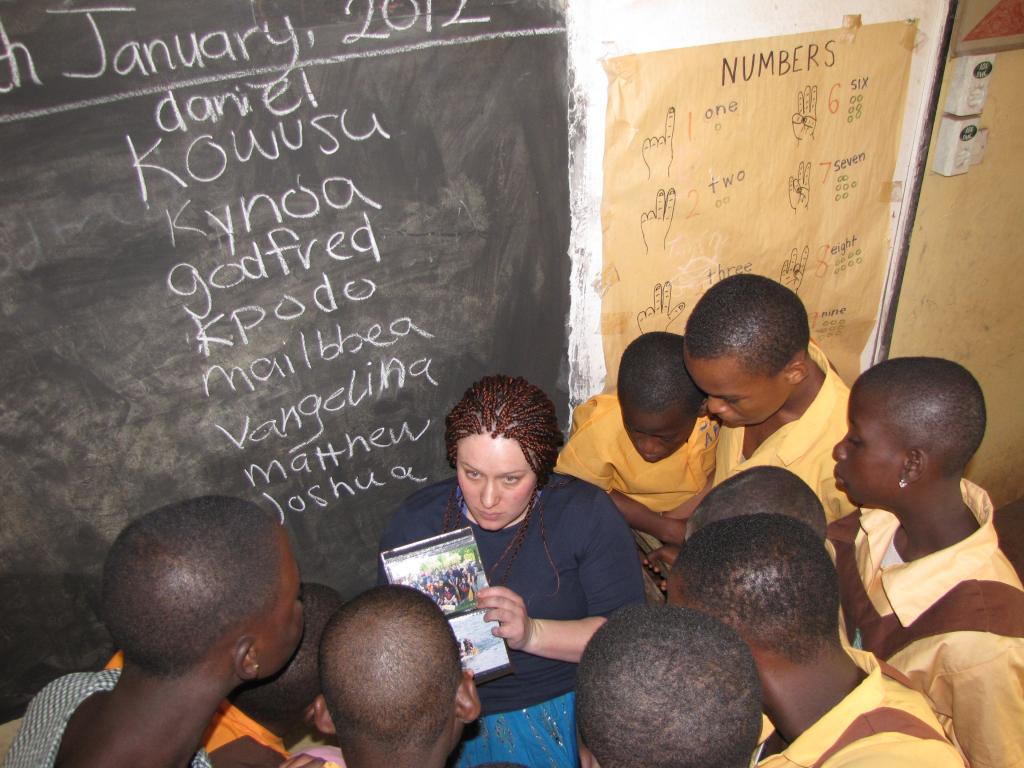
When I wasn't at OSD, I was doing to tutoring ans studying myself dizzy, while living with some Deaf young adults. I did all my assigned reading, read every book on Deaf culture I could get my hands on, watched Youtube videos and bought DVDs. In January of 2011, I had the chance to go to Ghana to work at Andrew Foster's Demonstration School in Mampong (more information can be found at this link or by clicking the picture of the class full of cute kids).
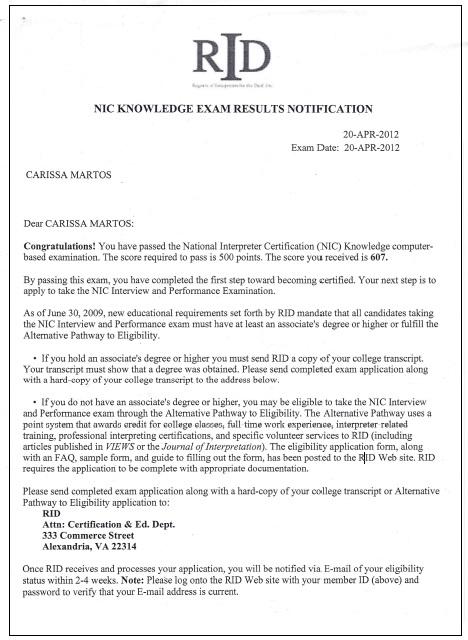
When I got back, I dove back into the swing of things at PCC but it became more and more clear as the year progressed that, despite my excellent grades, an AAS program at a community college wasn't the best fit for me at that point. In the middle of the school year, I took and passed the written portion of the RID/NAD National Interpreter Certification exam (NIC), finished the year and left the program.
Interpreting:
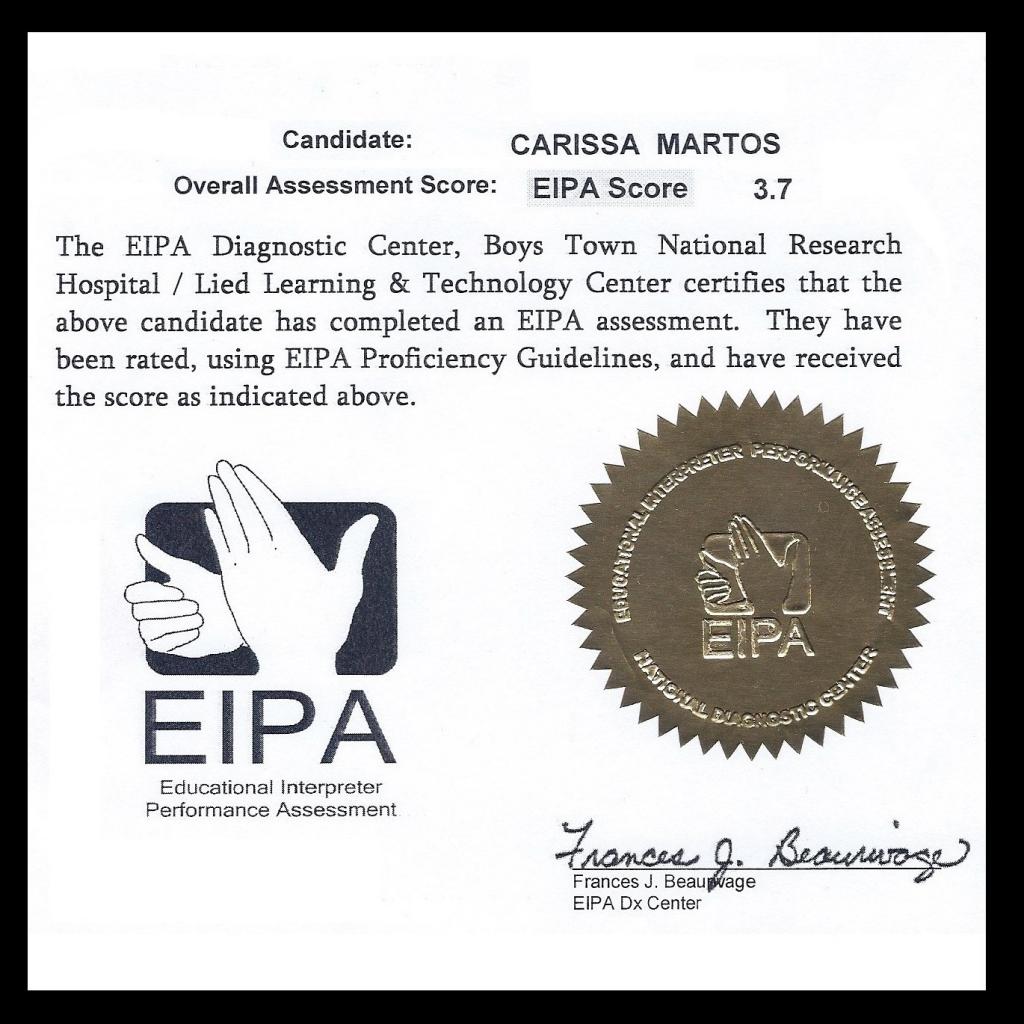
I began doing workshops (online and in person), including one through Love2ASL, volunteer interpreting including for West Coast Haunters Convention) and low-risk community interpreting. I also did some coursework at Spartanburg College in South Carolina in preparation for my Educational Interpreter Performance Assessment (EIPA) exam. I took the test in early May 2013, and got back my passing score (3.7) in September, and got the chance to interpret for Trek in the Park, for a wedding and at the March Against Monsanto rally.
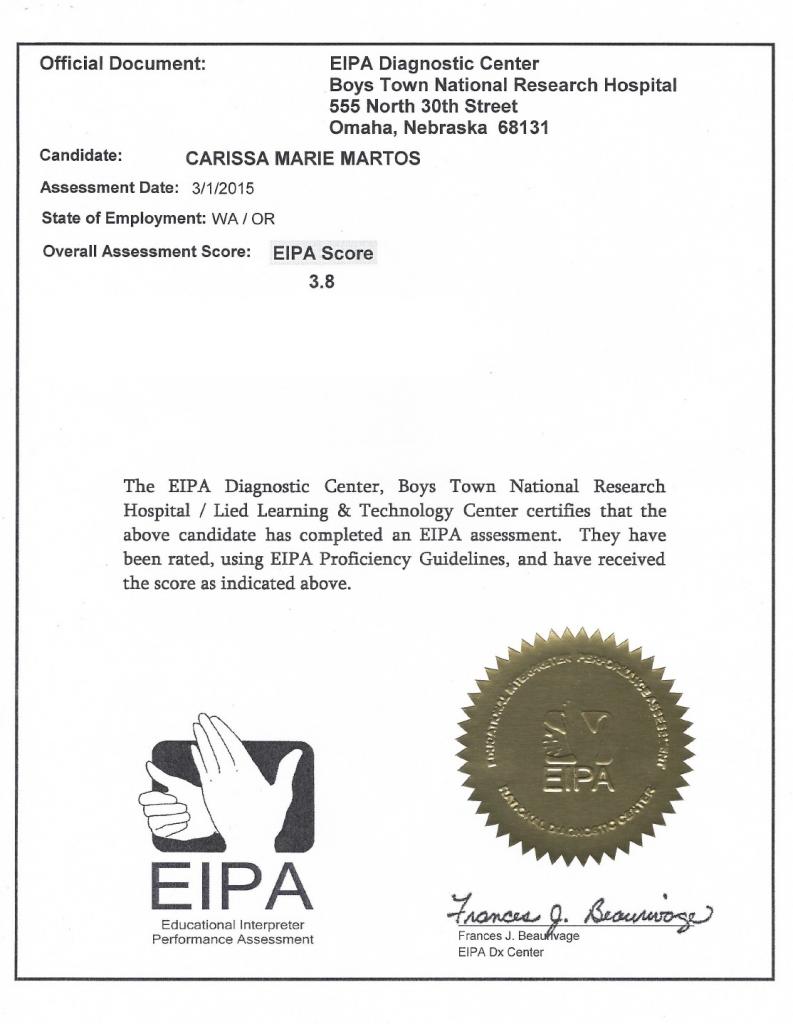
I finished my student-teaching in Vancouver, WA, and have now completed an MA in US History. More information can be found at that link.
Non-Work Life:
When I have spare/free time I have, I write (I completed a 50K word National Novel Writing Month novel in November 2014), work on digital and paper collages, spend time with my munchkins and family (all who can sign), and read as much as I can. I love general fiction, auto/biographies, literature, newspapers and blogs.